Friends, colleagues, and program partners,
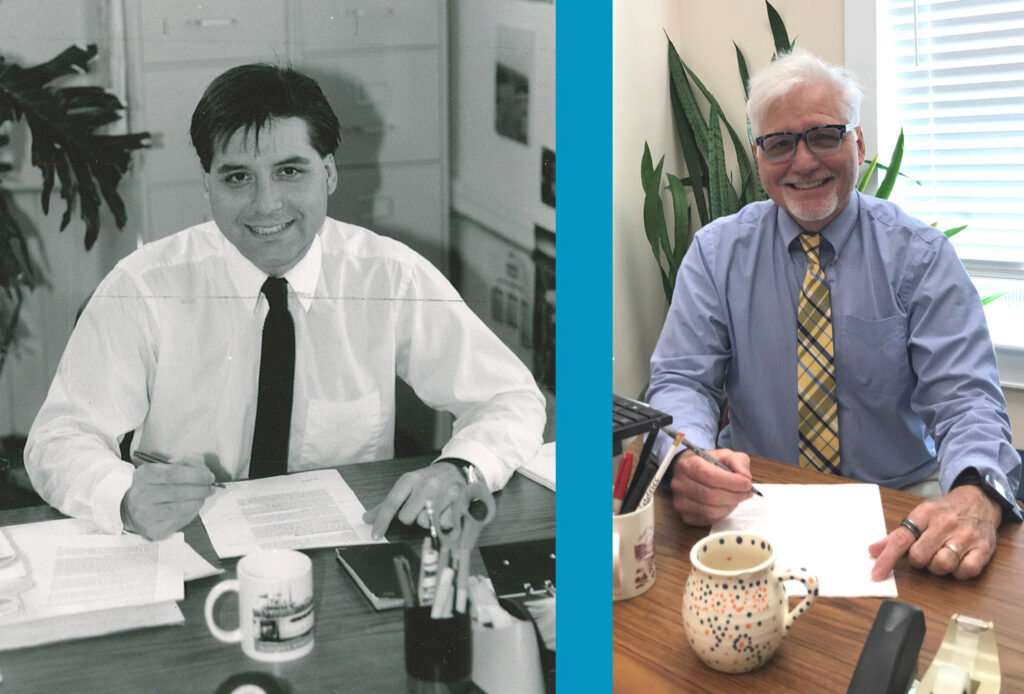
After more than 36 years of heading up the Buzzards Bay National Estuary Program (NEP), I have retired from state service.
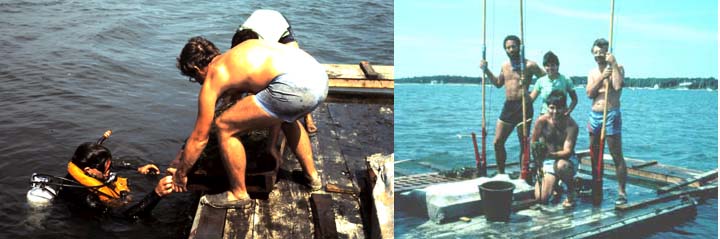
We choose careers and life paths based on guidance from family, teachers, friends, and advisors, with influence from our life experiences, and given opportunities. I grew up in New Bedford and I was always fascinated by life in the ocean. In grade school, a teacher encouraged me to attend the newly formed New Bedford Oceanographic Center Sea Lab summer school. My participation in the program grades 6-9 taught me the fundamentals of science and observation, and I decided I wanted to be a marine biologist. One of my most memorable experiences at Sea Lab was a dive in Mattapoisett where I saw my first eelgrass bed and the amazing biota it held. The next summer I saw more eelgrass and diverse biological communities off Westport. These experiences fascinated me. However, I often wondered why eelgrass grew all around Buzzards Bay, but I never saw eelgrass while snorkeling around New Bedford. Later, as an undergraduate student in California, I rediscovered eelgrass at the UC Berkeley’s Bodega Marine Laboratory where I made it the focus of junior and senior field projects. After graduation, I applied to the Boston University Marine Program in Woods Hole specifically to work on a PhD thesis to better understand how pollution and other factors affected the distribution of eelgrass and other species in Buzzards Bay. The Buzzards Bay Project, which predated the National Estuary Program, helped fund my research. After I started my post-doc, some coastal managers reached out to encourage me to apply for the Buzzards Bay Project Program Manager position. MA Coastal Zone Management (CZM) hired me due to my understanding of marine ecology and experiences monitoring nitrogen pollution and discharges from septic systems, estimating watershed nitrogen loads, and mapping the loss and recovery of eelgrass beds. Maybe my New Bedford roots were a factor.
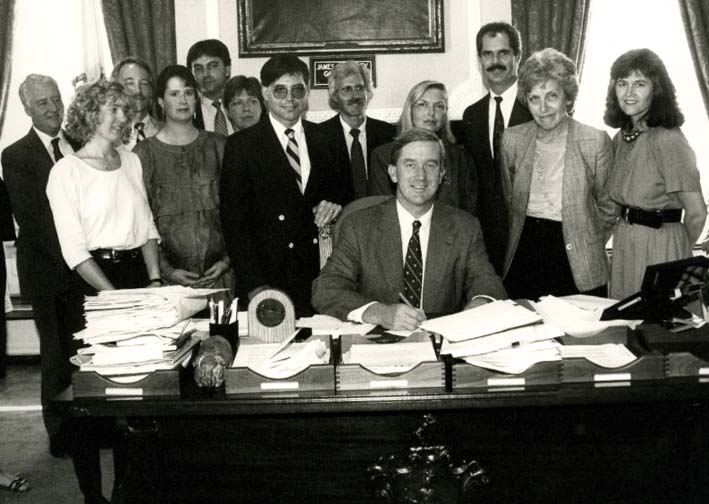
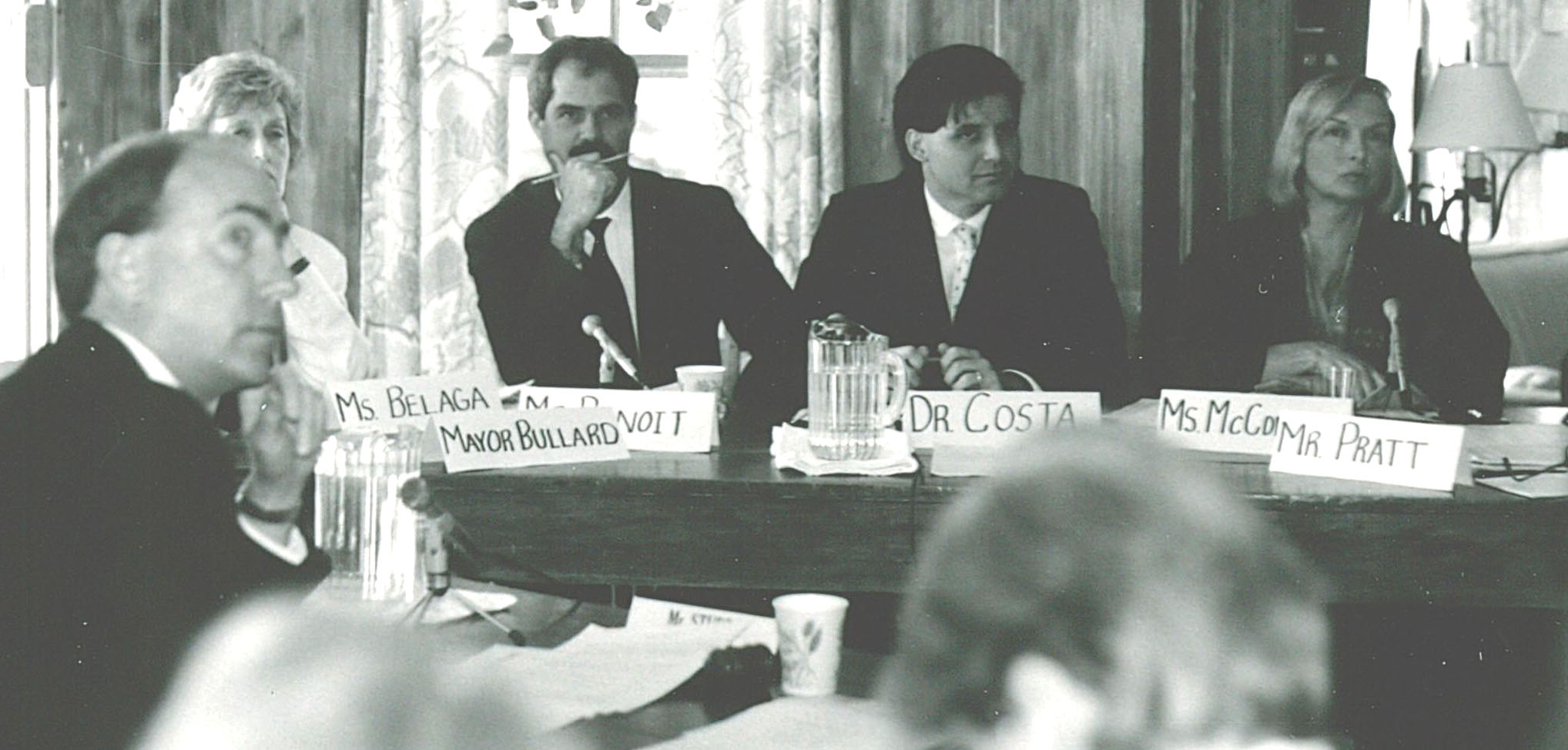
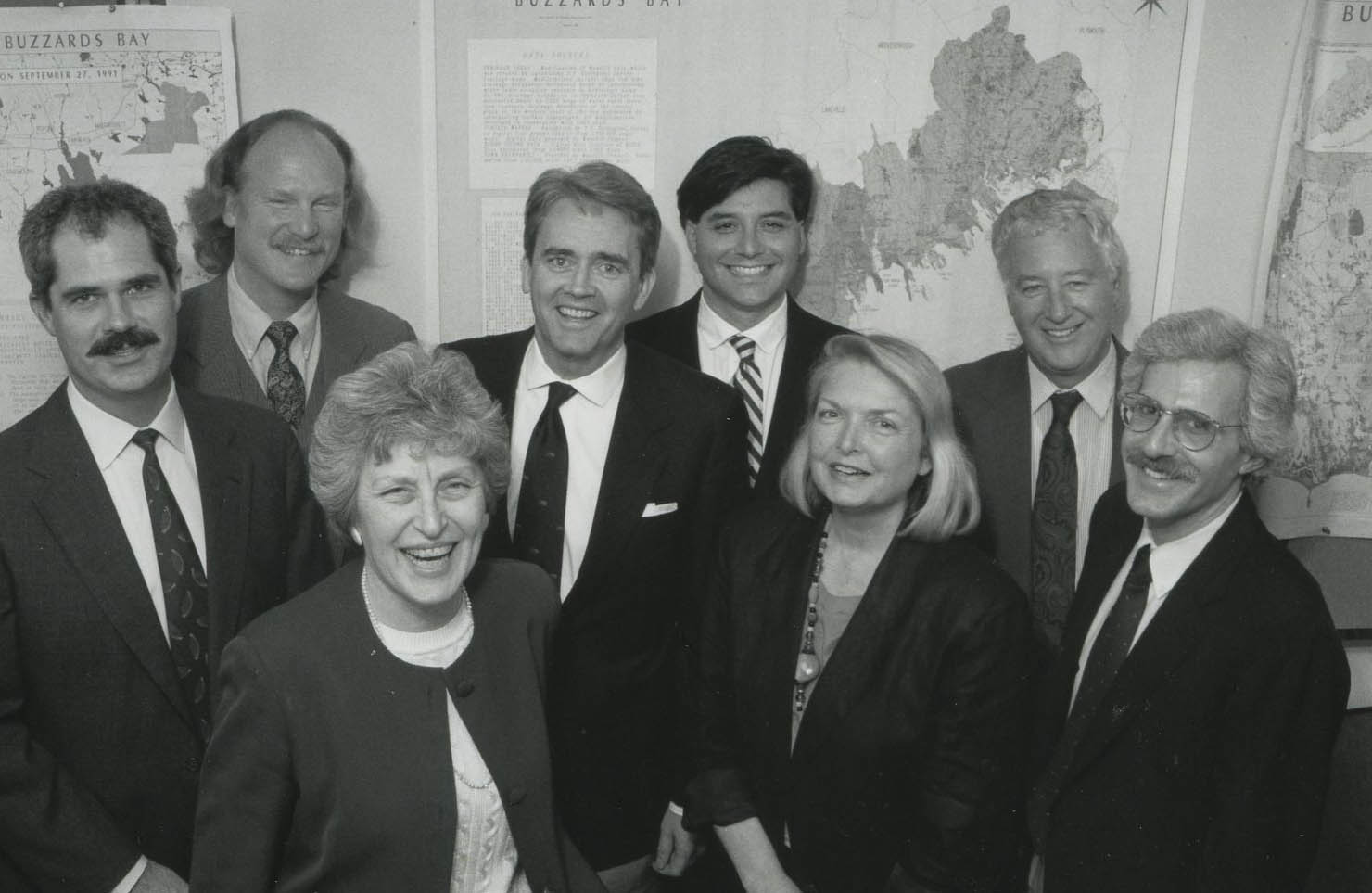
Among my first tasks at the Buzzards Bay Project was to hire program staff, oversee the writing of a Comprehensive Conservation and Management Plan (CCMP), and chart a future course for our program. We wrote the first CCMP in the country and its goal was to protect and restore water quality, wetlands, and living resources in Buzzards Bay and its watershed. The plan put much emphasis on nitrogen and bacteria pollution, and managing non-point sources of pollution like septic systems and stormwater discharges. Because so much of the burden of implementing the CCMP rested with municipal government, we focused on providing technical assistance and grants to Buzzards Bay municipalities.
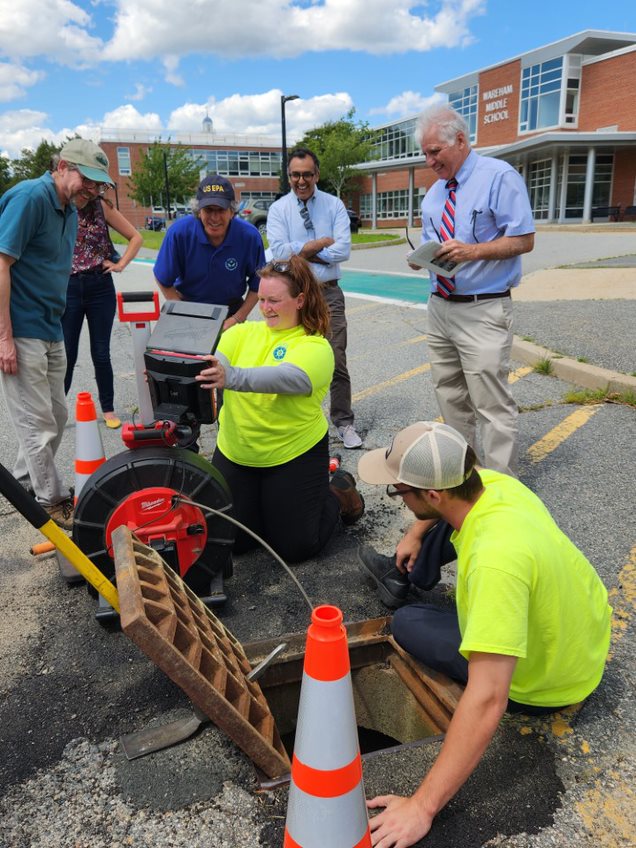
The U.S. Environmental Protection Agency funded and advocated for our program since 1985. Congress liked the National Estuary Program and continued supporting it. The Buzzards Bay NEP remained relevant in part because CZM and the Executive Office of Environmental Affairs supported and administered it. However, our successes were due to the many talented program staff and committee members over the years, and the commitment and support of our partners, scientists, and legislators. There have been so many projects and initiatives that we supported or helped start, but I am especially proud of several projects. In 1992, in partnership with the Buzzards Bay Coalition and Woods Hole Oceanographic Institution, we helped set up the BayWatchers water quality monitoring program. In 1998, in partnership with Barnstable County Health and MassDEP we built the Massachusetts Alternative Septic System Test Center and oversaw the first round of technology testing. The Coalition and Barnstable County Health continued and expanded these programs and made them national models. In 2015, the NEP began the Buzzards Bay Stormwater Collaborative—a partnership between eight Buzzards Bay municipalities, the NEP, and Massachusetts Maritime Academy (MMA). The program also continues today, and MMA students receive course credits to work with municipal public works departments to map stormwater networks, monitor discharges, and investigate pollution sources, with the work helping municipalities meet stormwater discharge permits.
I was the Buzzards Bay NEP director for all these years for a selfish reason: I loved my job. It was an ever-changing blend of science and management, and I was privileged to work with so many talented people committed to understanding and protecting the bay. To all the federal, state, and municipal staff, scientists, students, environmental organizations, residents, volunteers, businesses, legislators, and friends who helped and worked with us over the years–thank you! EPA HQ, regional, and SNEP staff: I enjoyed our collaboration and thank you for all the support. Special recognition is due to creative and inspiring work of the 27 other NEPs and their directors past and present. Their projects often served as models for our program, and their accomplishments kept national support for the NEP strong. It has been a pleasure working with all of you. While I am sad to say goodbye, I am optimistic for the future of Buzzards Bay because so many talented and hardworking individuals will carry on, and they will inspire new generations to protect and restore Buzzards Bay.
My career would not have been possible without the support of my wife Maureen, and we are looking forward to more traveling, more trips to visit our grandson, and I have a long list of garden, landscape, and home projects long deferred. I also look forward to working on science and the environment in new and creative ways.
Due to the state hiring freeze, my position may remain unfilled for a while. For inquiries related to our grant program or technical assistance programs, please reach out to Buzzards Bay NEP regional planner Sarah Williams (sarah.williams@mass.gov). For programmatic issues, please reach out to Dr. Alison Brizius, Director of Massachusetts CZM (alison.brizius@mass.gov or call 617-894-9054).
I wish you all the best.
Joe Costa
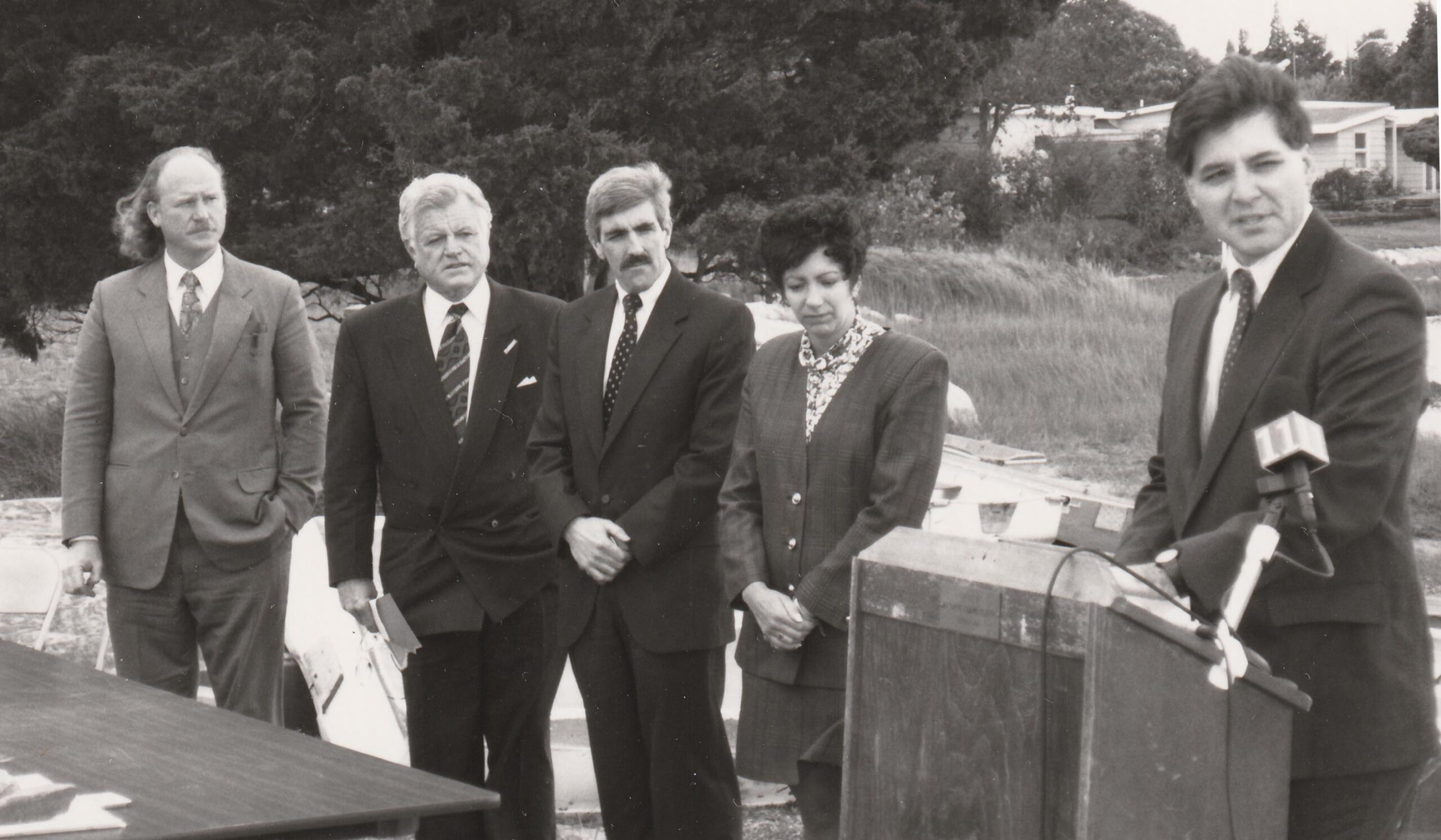
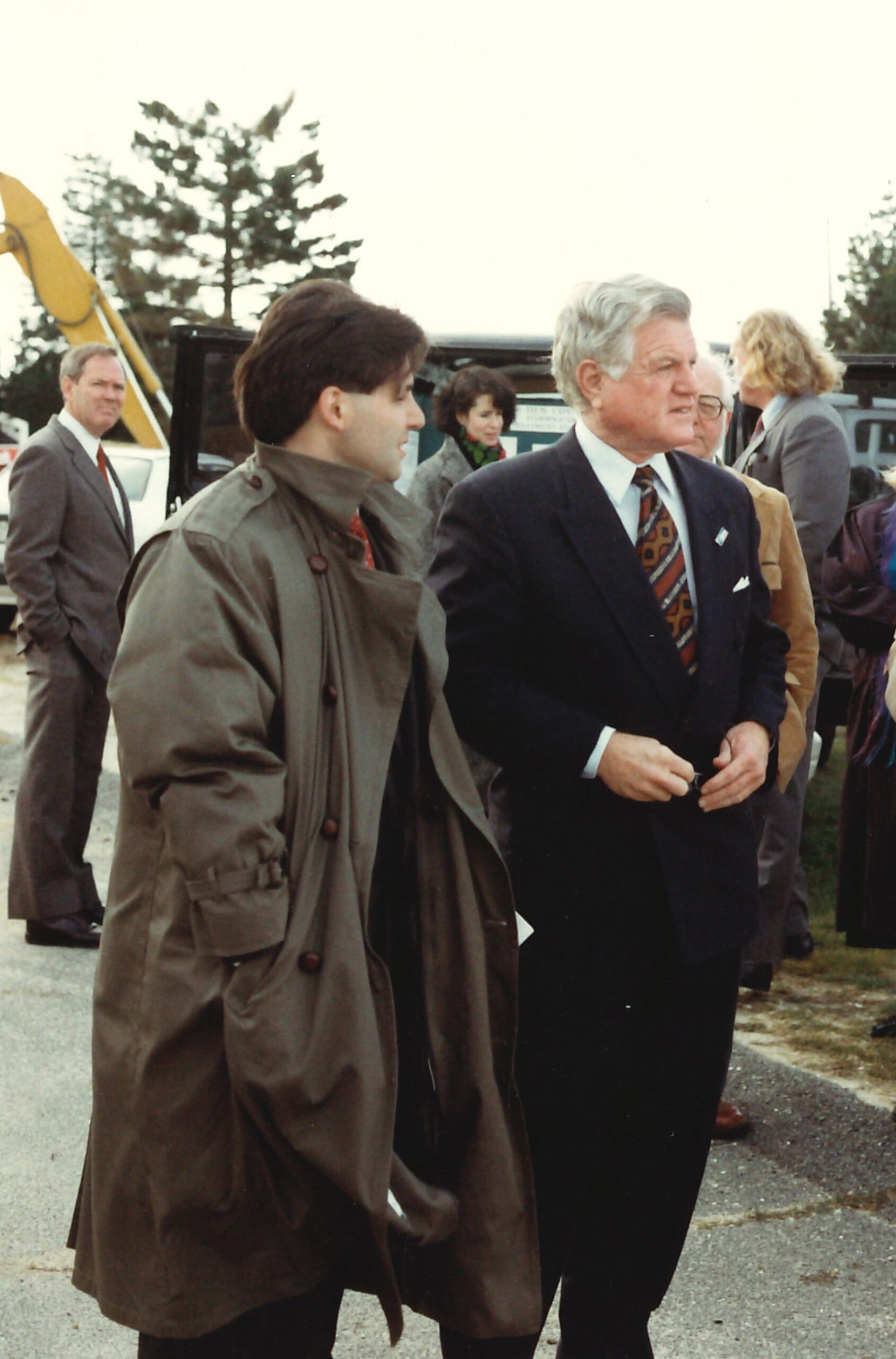
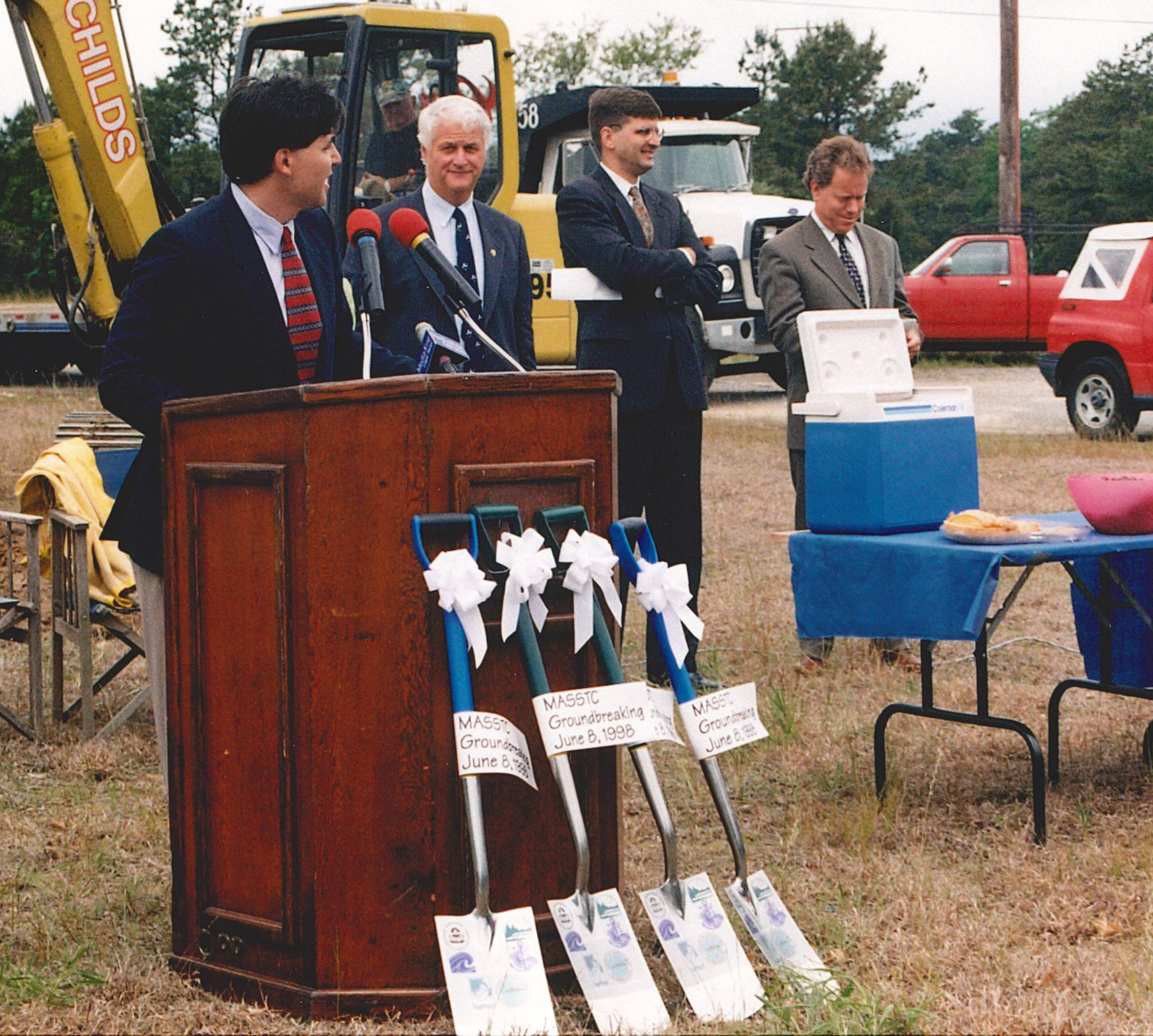
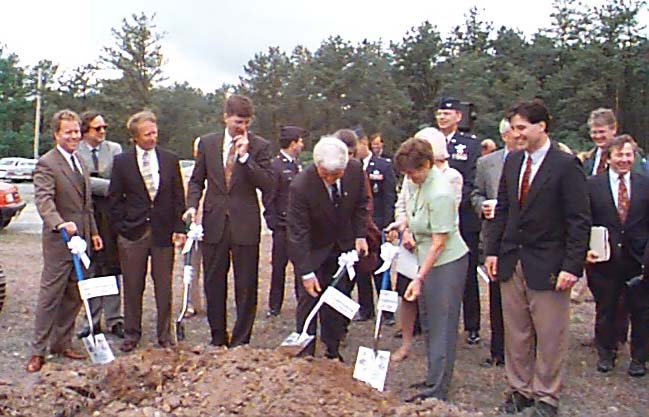
Massachusetts Alternative Septic System Test Center Groundbreaking, 1998